01
The warranty survives
Manufacturer cover depends on registered technicians and correct handling. A cut-pipe removal ends it instantly.
Home/Services/Relocation & removal
Relocation & removal
Moving house or renovating a wall the indoor unit happens to be on? An aircon can be moved safely, but only if the gas is recovered properly first. Cut the pipes and you've vented the charge, voided the warranty and quite possibly killed the compressor.
Warranty-safe methodPumped down, not cut off
Refrigerant recovered legallyVenting to atmosphere is illegal
Remove and reinstallSame day where the sites allow
Overview
The wrong way takes fifteen minutes: unbolt the units, cut the copper, carry everything to the bakkie. The refrigerant vents into the atmosphere with a hiss, moisture and air rush into the open pipework, and the system arrives at its new home contaminated, empty, and — in warranty terms — no longer the manufacturer's problem.
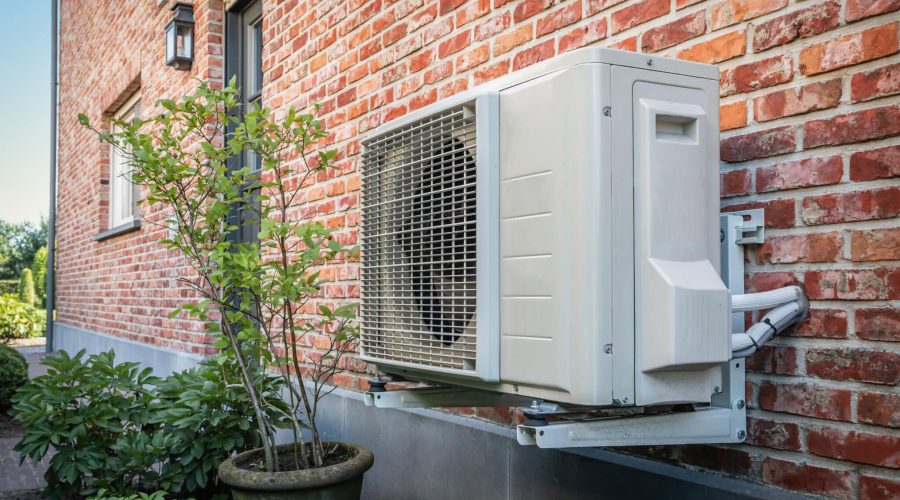
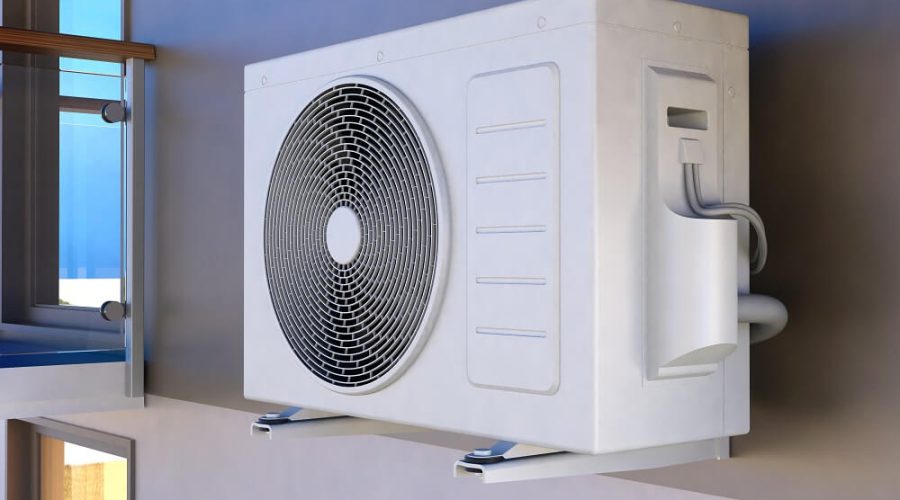
The right way starts with a pump-down. We run the unit, close the liquid valve, and let the compressor pull the entire refrigerant charge back into the outdoor unit where it's sealed in. Then the pipework can be disconnected with nothing lost and nothing let in.
It takes longer. It's the only method that leaves you with the same machine at the other end.
In detail
Removing it is half the job. Reinstalling it correctly is the half that decides whether it still works in a year.
The charge goes back into the condenser and stays there. Where a pump-down isn't possible — a system that's already leaking, or a failed compressor — we recover the refrigerant into a cylinder instead. Venting it is illegal and we don't do it.
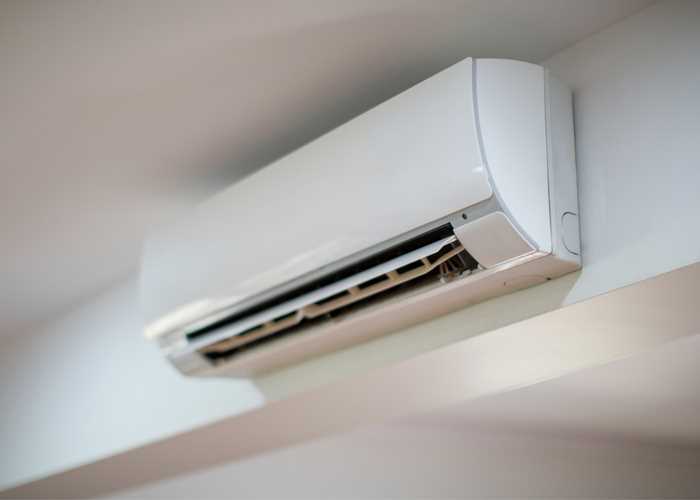
Indoor unit off the bracket, brackets off the wall, pipework and drain drawn back through the wall penetration. Then we make good: the hole gets sealed properly rather than left as a wasp hotel in someone else's house.
This is the step people skip and regret. The new wall must take the bracket. The outdoor unit needs a viable position with airflow and service access. The drain must fall the right way — which is a real constraint, not a preference. And the existing pipe run may simply not reach, in which case new pipework is needed and it's better to know that before the bakkie is loaded.
Exactly as a new installation: brackets anchored properly, flares remade fresh (a reused flare is a leak waiting to happen), the system pressure-tested, vacuumed to remove moisture, and then released or topped up to the correct weighed charge.
Run it up, verify the temperature differential, confirm the drain runs away cleanly, and hand you the guarantee on our work.
Benefits
A unit that cost R18 000 is worth an afternoon of somebody's care.
01
Manufacturer cover depends on registered technicians and correct handling. A cut-pipe removal ends it instantly.
02
Moisture and air in an open refrigerant circuit form acid. Acid eats compressors slowly and expensively.
03
Recovering the charge is both legally required and the reason your unit still has gas in it at the other end.
04
Reusing an old flare is one of the most common sources of the slow leak that appears six months after a move.
05
We assess before we remove — so we don't discover on the day that the drain can't fall or the pipes won't reach.
06
Two years on our workmanship at the new address, exactly as with a fresh installation.
What's included
Remove, transport, reinstall and commission. One team, both ends.
Refrigerant pump-down or recoveryLegally handled, nothing vented
Careful removalUnits, brackets, pipework and drain
Wall penetrations made goodSealed properly, not left open
New-site assessmentBracket, condenser position, drain fall, pipe run
Full reinstallationFresh flares, pressure test, vacuum, weighed charge
2-year workmanship guaranteeOn the reinstallation, in writing
Why us for this
Nothing against them — but a general handyman with an angle grinder is how most units get destroyed in a move. The damage doesn't show up on moving day. It shows up in eight months when the unit stops cooling and the manufacturer politely declines the claim.
If you're relocating a unit that's still under warranty, the paperwork trail matters as much as the workmanship. We handle both.
Pump-down, never cutThe single difference between moving it and killing it
Registered techniciansWhich is what keeps the manufacturer warranty valid
Both ends by one teamNo arguments about who broke what
Honest about the new siteIf it won't work there, you'll hear it before we start
Our process
One visit if both properties are ready. Two if you're moving across dates.
01
Where it is now, where it's going, whether the new position works and whether the existing pipe run will reach.
02
Charge recovered into the condenser, units and brackets removed, wall penetrations sealed.
03
Brackets anchored, fresh flares made, pipework run neatly, drain set to fall correctly.
04
Sealed, evacuated, charged to spec, run up and verified with you present.
We renovated and needed both units moved to different walls. They pumped the gas down properly instead of just cutting the pipes like the builder wanted to. Both still running perfectly.
FAQs
Moving, renovating, and what happens to the warranty.
Phone us, or send a photo of the unit on WhatsApp. We answer questions without charging for the privilege.
Ask us a questionIf the unit is under about eight years old and in good health, moving it is usually the better value — a relocation costs a fraction of a new installation. If it's already old, already leaking, or the new position needs a long new pipe run anyway, we'll tell you honestly that a new unit is the smarter spend.
Not if it's done by SAQCC-registered technicians and documented. It absolutely will if someone cuts the pipes and vents the gas — which is what happens when a general removals crew or a builder takes it off the wall.
Yes. We pump the charge into the outdoor unit and cap the pipework so the system stays sealed while it's in storage or while your new place is being finished. It can sit like that safely for months.
Often, yes — the existing run is cut to length for the old layout and rarely fits the new one. We'll measure at the assessment and quote for it upfront rather than discovering it on the day.
Yes. We recover the refrigerant legally, remove the units and take them away. That's the correct end for an old machine — not a skip, where the remaining gas eventually vents.
It depends on the distance between the two sites, whether new pipework is needed, and how the outdoor unit is mounted at each end. We assess and quote a fixed price before anything is unbolted.
Related services
Next step
A pump-down takes an afternoon and saves a machine worth thousands. Cutting the pipes takes fifteen minutes and costs you all of it.
Fixed pricing · Same-day callouts across Johannesburg and the wider Gauteng
Contact
Tell us both addresses and roughly when you're moving. We'll tell you whether the unit is worth taking with you.